
posts in
nutrition
Essential Ride Recovery
9/05/2018

So let’s talk about recovery.
A big misconception about post workout nutrition is the less you eat, the more you lose. One of the common frustrations that people have is that they tend to work hard, eat less, and yet don’t get the energy or results they’re looking for. Recovery is one of the most important aspects in getting results. You cannot train hard if you don’t recover, and you cannot build muscle if you don’t provide the building blocks you need. If you don’t refuel properly, you’re missing out on the opportunity to reap the metabolic benefits of your hard work.
Exercising breaks down muscle tissue - that’s how it becomes stronger - so in order to build strength, we need to repair and rebuild our muscles after we train. If we miss out on refueling, muscle tissue is continually broken down without the chance to repair, which means we won’t see the results we’re looking for. It can also lead to over-training, which just perpetuates the cycle. Our bodies need a good mix of protein, electrolytes and carbohydrates to recover and stay energized.
A huge stumbling block is when we avoid eating all together with the hopes that it will burn more calories. This actually has the opposite effect, and if you’re a frequent post-workout meal skipper you may also find yourself standing at the counter late at night downing 8 pieces of toast (oh the guilt….!!!). After a session, blood sugar is low, glycogen has been depleted and cortisol is raised. Inflammation kicks in to help repair muscle and the body is in a slightly acidic state. These are all normal and healthy responses to exercise - but the key is to not let that go on for too long.
If we avoid eating, this state perpetuates and goes from being beneficial to counterproductive. Cortisol stays raised if we don’t address low blood sugar; muscles become tired and achey if inflammation continues; electrolytes and glycogen stays depleted and hormonally our body is at a bit of a loss - basically, hungry, tired, and out of whack. This can trigger a variety of things, but most noticeably is the effects on appetite. Skipping post workout meals can make you feel light and virtuous for a few hours, or even the day, but at some point it usually leads to intense carbohydrate cravings, excess snacking later in the day and feeling like your appetite is ‘out of control.’ The other big ones are fatigue and an inability to gain strength.
If we avoid eating, this state perpetuates and goes from being beneficial to counterproductive. Cortisol stays raised if we don’t address low blood sugar; muscles become tired and achey if inflammation continues; electrolytes and glycogen stays depleted and hormonally our body is at a bit of a loss - basically, hungry, tired, and out of whack. This can trigger a variety of things, but most noticeably is the effects on appetite. Skipping post workout meals can make you feel light and virtuous for a few hours, or even the day, but at some point it usually leads to intense carbohydrate cravings, excess snacking later in the day and feeling like your appetite is ‘out of control.’ The other big ones are fatigue and an inability to gain strength.
If you’ve just done a high intensity ride, then replacing nutrients, electrolytes and protein is essential. Adding fibre can help stave off post workout/ride hunger and keep you feeling full for longer. And even better, adding a superfood booster like spirulina or maca will help reduce cortisol, balance hormones and help make the switch from acidic to alkaline.
Tweaking your recovery meal can give the extra push needed to see results, boost energy and restore metabolic balance. Shakes are the easiest, most effective and, in my opinion, most delicious way to refuel. But healthy shakes - shakes with a purpose that aren’t going to sabotage your efforts - are hard to find. For a shake recipe packed with plant based proteins, superfood boosters, nutrients & electrolytes that will help you recover, check out the recipe below to make the perfect recovery smoothie at home.
This is one of my favorite smoothies the help recovery after a heavy workout. It's simple, tasty, and the L-Glutamine provides noticeable support for muscle recovery, energy and soreness. L glutamine is probably best known for it's use in sport, exercise and recovery, however it's also fantastic for immunity, digestion and energy. This smoothie has everything you need to nourish you muscles post ride or workout - a good dose of carbohydrates, vitamins, minerals, protein and L glutamine for muscular energy & repair. I also like to add a little Osmo Recovery powder instead of vanilla protein powder just to mix it up.
 |
1/4 cup cashews, soaked overnight
1 frozen banana
1 medjool date
1 scoop plant based vanilla protein powder
1 cup plant based milk of choice, unsweetened
5 g L-glutamine powder, optional - but great for recovery
1/2 tsp cinnamon
1 or few ice cubes
DIRECTIONS
1. Blend the cashews and milk of choice together until smooth.
2. Add the remaining ingredients and blend again. Enjoy immediately!
Image: FitBit
Hydrate Like A Girl With Osmo
11/29/2017

“Women are not small men,” says Stacy Sims, Ph.D., exercise physiologist–nutrition scientist. “They’re five times more likely than men to have GI problems when exercising, whether it’s bloating or gas or diarrhea. Women are also more likely to suffer from heat exhaustion and heat stroke.”
It all has to do with blood volume, says Sims, and for optimum performance, it’s ideal to keep it high. When a woman’s estrogen and progesterone levels are high (during the luteal, or premenstrual, phase of her cycle), she loses around 8 percent of plasma volume—the watery part of the blood. The high progesterone also causes a resting rise in core body temperature of about 0.9°F, which can shorten the time it takes her to fatigue (and decrease her heat tolerance).
Sodium levels are also key, because that’s what helps transport water into the blood, but those elevated progesterone levels make this harder: Progesterone fights for the same receptors as aldosterone (the hormone responsible for excreting sodium), which increases the amount of sodium your body kicks out. And if you’re on the Pill or other hormonal birth control? The estrogen and progesterone in your system can be as much as six to eight times higher. So what's a girl to do?
Start thinking about drinking before your workout. “Try to go into an exercise session feeling hydrated,” says Sims. If you’re gearing up for a high-intensity or endurance-based effort, pre-hydration (filling up anywhere from a few to 24 hours before) is crucial to help increase the sodium balance in your body. Then keep it in check by sipping throughout your workout. The American College of Sports Medicine recommends drinking three to eight ounces of a sports drink every 15 to 20 minutes for workouts longer than 60 minutes, but Sims says it should be based on your body weight. (She suggests five to six milliliters per pound of body weight per hour—the lower end for cool conditions, the upper for warmer temps.)
"That’s a general starting point," says Sims. "It’s personal. If you’re working out for 45 minutes or less, it’s important to drink before and after, but hydration during exercise is not needed unless you’re low on body water to begin with—say, at the end of the day or when you’ve first woken up."
According to Sims, most recommendations for pre-, during, and post-exercise hydration and fueling are based on studies that use 18- to 22-year-old guys. Unlike men, we have high and low hormone phases throughout the month, during which estrogen and progesterone fluctuate, causing slight changes to metabolism, glycogen, and blood plasma levels, all of which affect performance, recovery, and how hard you can push during a workout. That’s why it’s hard to include women as test subjects for sports drinks and products. But by not studying females or only looking at us during a low-hormone phase, scientists and experts are only getting half the story.

- PreLoad Hydration hyper-hydrates, crosses the blood-brain barrier and “counteracts hormone-induced drop in body water,”. It also increases power and endurance, and helps reduce muscle fatigue. Amino acids work alongside sodium to expand total body water, reduce central nervous system fatigue and dampen the breakdown effects of progesterone. This line is pineapple margarita, light salty flavor but not overbearing. I personally believe this one is an acquired taste that I developed into liking (tastes much nicer with a bit of honey added).
- Active Hydration has a bit more glucose, sodium and potassium to increase power output and improve endurance. With an optimized ratio of glucose to sucrose and greater sodium and potassium levels per serving, it helps to offset reduced plasma volume and higher sodium losses that women experience. A light sweetness and mango flavor. I wanted something that tasted more like water without the sugar phlegmy texture in my throat, this hit the spot.
- Acute Recovery has more protein and glucose. Women have a shorter acute recovery window – about 30 minutes – so it’s important to refuel shortly after training. Post-exercise, this drink mix helps shift the woman’s metabolism into recovery mode, promote muscle repair and speed glycogen restoration. A honey and spice flavor, very delicious! I personally like adding this one in warm almond milk.
The bottom line: Woman up when you hydrate and you’ll be able to push through your training, no matter how intense. This is no "shrink it and pink it" product, Osmo products for women are based on scientific studies conducted on women; they uniquely address the needs of female athletes and deliver proven benefits. They haven't failed me yet and keep me strong on days of my period when I need to train. I may not be 100% on top of my effort but I'm definitely performing and recovering quicker than I have been. Thank goodness.
Images 1.@machineforfreedom


Images 1.
Shop The Post


Cycling Nutrition For Women
10/24/2017


With sports nutritionists like Lori Nedescu of Cadence Kitchen and brands like Osmo Nutrition, sports nutrition and products are highlighting the connections between a females overall health, menstrual health, and energy outputs to guide women in their own performance nutrition. While Lori wouldn't call herself a "women's specific" sports nutritionist, her knowledge and skill to help athletes goes beyond creating meal plans and recipes that can help facilitate performance and general wellness with real food through all seasons and cycles. Osmo Nutrition's founder Stacey Sim's brands the women's Osmo line with a theme in mind - women are not small men- and argues that women have been fueling themselves all wrong.
In another Bike Talk post I want to share a bit about how our cycles affects our riding but for now I want to share the basics about nutrition to facilitate your performance and wellness. While I don't claim to be an expert or specialist, I only want to share with you what I have learned from books, blogs, and research articles around the subject to guide you to the right resources. When it comes to nutrition and fueling, there are specific considerations we as women in cycling should know...
Calories
Consuming the right amount of calories is huge step towards ensuring women stay healthy and energized in general but it's often over looked in order to lose weight. Typically women need less calories than men but enough to fuel performance. Not eating enough on a day-to day basis or not eating after hard training sessions or endurance rides can lead to low energy availability that can affect health. For women, low energy availability impacts hormone secretion from the pituitary gland, which directly impacts regulation of ovulation and the ability to absorb minerals to keep bones healthy. We must also keep in mind that consuming too many calories, if not used, runs the risk of weight gain, it's fine balance.

To optimize health and cycling performance it is important to consume 3 macronutrients – Carbohydrate, Protein, and Fat. Eliminating any of these food groups can have negative effects on immune function, recovery and also increase rick of injury. If certain healthy weight goals need to be achieved it is better to do it through the combination of smaller portions and the timing of your food consumption, as opposed to eliminating any of these whole food groups.
Carbohydrates: This is the primary macronutrient for energy metabolism. Although for women, carbohydrates seem to come with a bit of a bad rap, it is actually crucial if you want to get the most out of your training and rides. Carbohydrates are essential in providing your body with the muscle glycogen needed to sustain exercise, and allow you to train harder and therefore elicit better training adaptations than training in a depleted state. Generally, carbohydrate intake should be up to 50% of the calories calculated in your total energy requirement, or around 6-8g/kg/bw. It may be necessary to increase carbohydrate intake for those participating in ultra endurance events or during intense periods of endurance training. Remember, carbohydrates not only fuel our muscles but also our brains, staying alert can be pivotal in some sports to help avoid injury.
Protein: Research has found an elevated need for protein in most endurance and power athletes. However, research has also shown that female athletes don’t actually need as much protein as men due to lower oxidation rates during exercise. Saying that, protein is still essential to promote recovery and muscle adaptation and still remains an important part of the female athletes diet. The average population’s protein intake is 0.8g/kg/bw but female endurance athletes require 1.3-1.5g/kg/bw.
Fat: Women have a greater capacity to use and transport fats than men during endurance exercise. It is the combination of high oxidation rates and higher fat stores that actually make women very suited to long distance events. With this in mind it is essential that women do not consume less than 20% of their total energy requirements from fat. Having 25-30% from healthy sources such as nuts, oil, fish and meat would be optimal. There is even evidence that supports women having a slightly higher fat content in their recovery meals to replenish the energy stores they have used. Not forgetting health, fat is also essential for a whole host of fat soluble vitamins our bodies need for immune function and recovery. Fat is not as bad as people think when consumed relative to total calorie intake.

It is important that all female cyclists ensure they get the necessary daily intake of vitamins and minerals to aid health and particularly immune function. There is nothing more frustrating than missing key training sessions or rides because of an annoying cough or blocked nose. For the female cyclists there a few key vitamins and minerals that are worth drawing your attention to.
Iron: This is one of the most common deficiencies amongst female athletes, anaemia. Iron is key to oxygen carrying and energy production. Iron deficiencies can lead to impaired muscle function and a reduction in performance. Women are most at risk due to their menstrual cycle, especially those who are vegetarian. It is thought endurance athletes need 70% higher intake than the general population (18 mg per day). The easiest way to obtain iron is through the consumption of red meat.
B Vitamins: Similar to iron, lack of B Vitamins such as B12 and folate can cause anaemia, which in turn means an athlete may suffer from severe fatigue, it can also affect the size of red blood cells. Good sources of B Vitamins are animal derived foods such as milk and red meat. B vitamins can be mixed in a high vitamin or mineral blend such as a recovery drink such as a banana almond chocolate smoothie, adding even more benefits to having one post training.
Calcium: Female cyclists who reduce their total energy intake are more at risk of calcium deficiencies. Calcium is a key mineral essential for growth and the development and maintenance of bones. Women are particularly at risk of low bone density, however, one needs to consider that Calcium needs Vitamin D for it to be absorbed; Vitamin D is most readily obtained from sunlight. Having 3-4 servings of dairy products per day such as a glass of milk, yogurt, or a small block of cheese is a great way to ensure you obtain enough calcium in your diet. If you're lactose intolerant like myself, I find dark leafy greens, figs, greek yogurt, hard cheeses, canned salmon, and almonds are great sources of vitamin D and calcium that I often use in meals, snacks, and smoothies.
If you're wondering how to guide your eating habits while training for a marathon or cycling sportiv, I highly recommend Lori Nedescu's guidance of Cadence Kitchen's Recipe book and her blog posts to help guide before, during, and after fueling. I'm a big fan of hers and while fueling you're body is a science, Lori reminds us that it is important to experiment with real foods and recipes to find what makes you feel and perform well on and off the bike. I am also a big fan of Osmo Nutrition for Women. They claim their products are based on scientific studies conducted on women, addressing the needs of women's physiology to help them perform better during all phases of the month. I have been using them for a while now and find their products deliver my needs but that's another post. I hope this helps guide you to performing and eating well on and off the bike and please reach out if you have any questions about books, articles, or recipes!
Images: @CadenceKitchen
How To Spend A Rest Day
5/25/2017

While spending all day out on the bike is how most of us would rather spend our days outdoors, having a rest day from long days in the saddle is rather a necessary part of recovering. Plenty of average cyclists like myself will spend less time on a bike than an active cyclist training for an event, yet, even we also risk burnout, illness, and injury too. With rest days, there is also a factor of being active in recovery rather just sitting on the couch with legs up. In active recovery you are doing very light exercises to helping aid your body in flushing out metabolic waste to help in aid in faster recovery. Non-active recovery strategies like whole days off are beneficial too but like most cyclists, we are always finding active ways to feel good on and off the bike. Here are just a few ways how you can get the most out of spending an active or non-active rest day.
Just a note, I am not a medical expert or fitness coach, just a girl who loves riding bikes that has found her way through the training, natural nutrition, and recovery world to help aid her own performance. These ideas are based on my own experience, don't require a lot of money, and are practiced on a regular basis in my own training schedule. What works for me may not work for you but I'm sure you will enjoy some.

Epsom Salt Bath
One of my favorite recovery activities after a long ride is a hot Epsom salt bath. This is a simple and effective way to relax worked muscles while decreasing inflammation. It's also a good way to increase blood magnesium and prevent bloating from water retention. As a result, epsom baths can increase the rate of recovery and reduce muscle and joint pain from the inflammation response. You can boost up your recovery bath game by adding some lavender and almond oil for both it's soothing/smoothing effect and healing properties too. Relax and enjoy this one, just don't fall asleep.
My other favorite time spent recovering is eating, so much eating. While there are recovery quick fixes in protein powders, recovery drinks, gels, vitamins etc. it's easy to get nutrients from real food too. To get the most out of recovery eating it's best to eat one hour post ride with four parts carbohydrates and one part protein. This helps in replacing glycogen stores and protein for muscle repair. Another recovery favorite of mine is a smoothie made of banana, berries, almond milk, and greek yogurt for antioxidants, protein, fiber, potassium, and insulin replacement. As much as I want my muscles to recover, I also want to look out for my overall health and sometimes I have to choose the burger over a leafy veggie salad to feel like a normal human being again so eat what makes you feel good in the end but balance it out too. Also, hydration is part of nutrition recovery and is a no brainer to avoid cramping and dehydration.
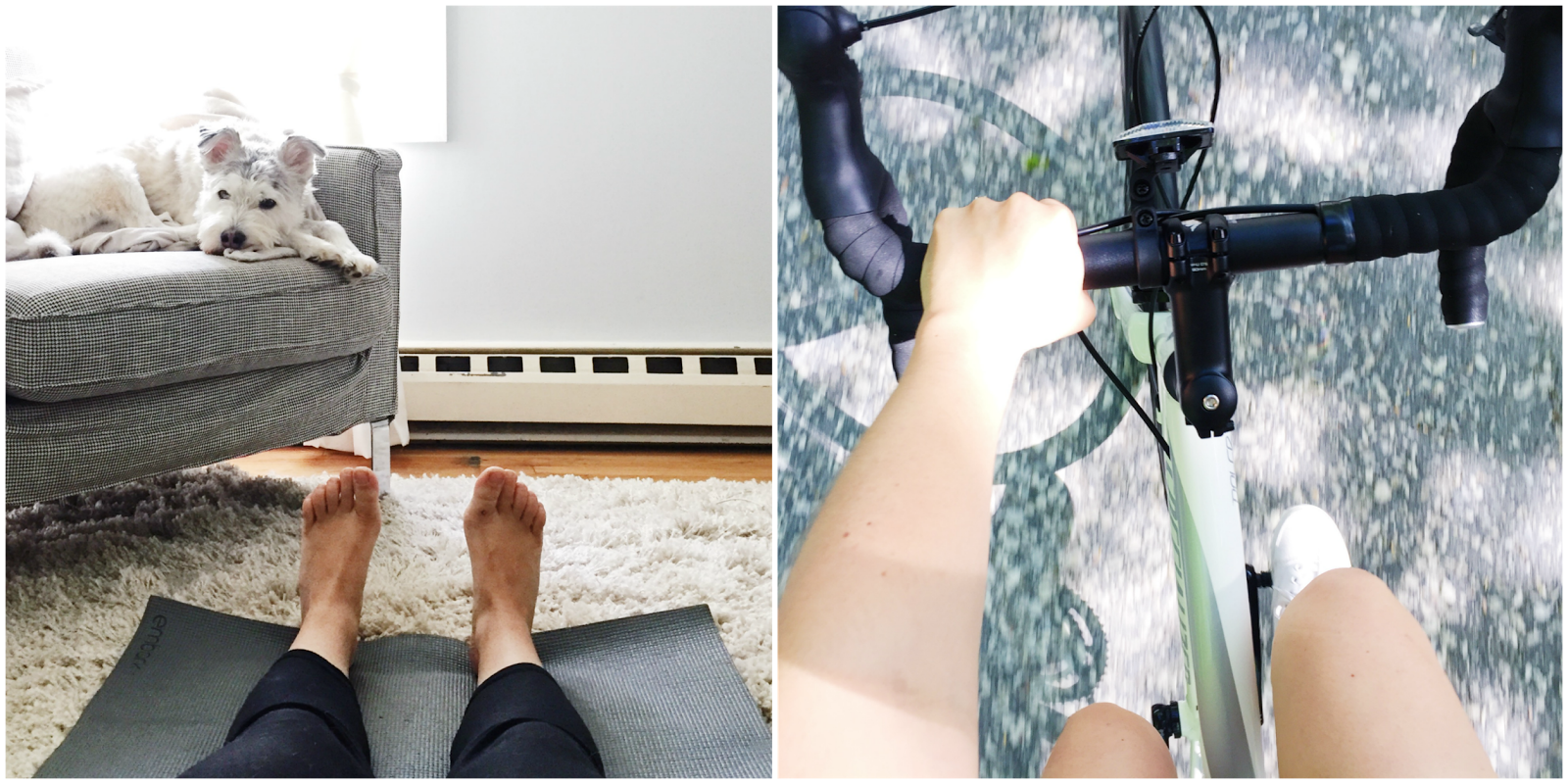
Sometimes over training can interfere with sleep, making us restless, and more tense without a proper resting period. While adaptation happens in recovery periods, cyclists can help maximize active recovery days with Restorative Yoga. A cyclist can only ride for so many miles and so many days in a row before the body gets tighter with repetitions of pedaling and static positions on the saddle. With stretching, or yoga, you can counteract imbalances on the saddle by maintaining flexibility. Adding yoga to your active rest day can also help aid with sleep, posture, and muscle recovery allowing your next cycling session to be even better.
Recovery Ride
Just like yoga, active recovery should fit into your training schedule once or twice a week following the hard days on the bike. When doing a recovery ride, they should be on a flat route and short, 30-60 mins, with very low levels of exertion and heart rate. Recovery rides help aid the process of blood flow to repair damaged muscles while flushing out metabolic waste. They can also help maintain general momentum in training and add smiles where you should be feeling better after than before.

While you may enjoy these activities, remember to take a whole day off while putting your feet up on the couch. Watch the races for inspiration, listen to cycling podcasts, and read a good cycling book to help get your mind off of aching muscles. Resting is also a fun way to spend with loved ones, catching up on favorite podcasts while cooking a recovery meal and stretching while catching up on favorite shows in the front of the tv. This may be only me but before I nod off to sleep, I like to turn off and keep all my electronics out of my bedroom before I lay in bed with a good book which also helps me drift into sleep easier. Sleep is your biggest ally to get the most marginal gains in recovery so treat sleep like it's your best riding friend.
While riding your bike can be great in keeping you happy, healthy, and fit, taking time off it also helps in increasing all these and performance. It would do us all good to remember that if your body is sending you signals to rest, do it. There is no point in trying to push to the next level when you're body isn't going to do what you want while potentially risking illness or injury. Instead, take a bubble bath, eat all the pasta, practice yoga till you're zenned out, and sleep like a newborn baby. You'll feel so much better and feel your performance and fun factors improve when you're ready for the next adventure.
Subscribe to:
Posts (Atom)


Social Icons